During an active sewage backup, stop water use and avoid contaminated water and wet electrical equipment. Calgary directs residents to call 311 about sewage backups. HAUSE is not emergency dispatch. After immediate assistance, retain the incident and pipe records so any private cleaning or repair decision responds to evidence.
- Report a sewage backup to Calgary 311 and avoid the contaminated area.
- Keep the City assessment and any Customer Service Report for follow-up.
- Separate pipe investigation from contaminated-water damage recovery.
- Use the incident record to define the later private cleaning or repair enquiry.
01 /What is the immediate priority?
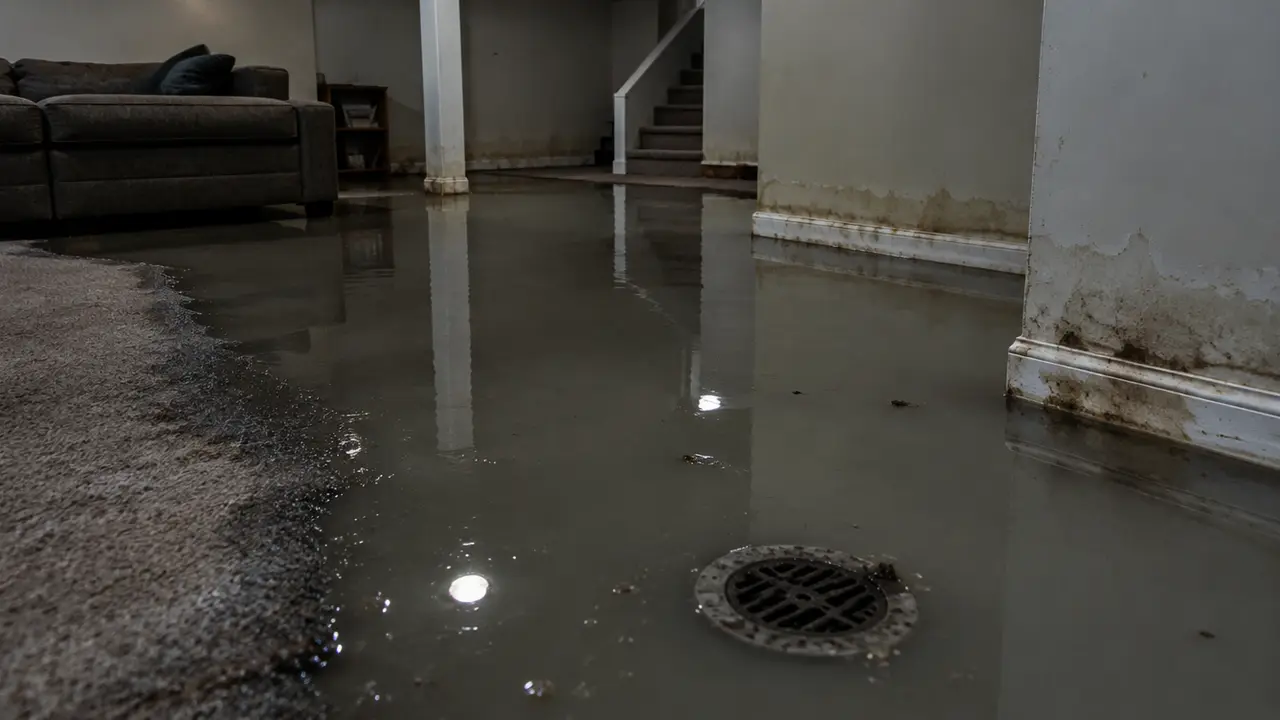
Keep people and pets away from the affected area. Do not enter water to reach electrical controls, and do not remove a service cover or cleanout cap to release a blockage. Immediate danger requires appropriate emergency help from a safe place. An online quote request does not establish an arrival time. Do not delay urgent assistance while trying to choose a repair method or compare a long list of prices. Those decisions belong after the immediate situation has been addressed.
02 /How does the City process fit in?
The City of Calgary asks residents with sewage backups to call 311, which can help assess whether City infrastructure may be involved. The official guidance is linked below. HAUSE cannot determine municipal responsibility from a chat or arrange a City inspection. Keep the resulting case reference and instructions for your records. A later private-provider enquiry should distinguish an official finding from your own observation. Properties outside Calgary need their own local authority contact and procedures.
03 /Which incident facts help the later assessment?
Record when the backup began, the opening through which water appeared, which fixtures were affected and prior events. Use observations from a safe position. Do not reproduce the event by running more water. Keep any existing provider report and note whether an earlier clearance restored flow. Explain what remains unresolved without assigning a cause from the weather or house age alone. An accurate timeline can help the provider define the next investigation without turning uncertainty into an expensive assumption.
04 /Why separate pipe work from damage recovery?
A drainage visit, contamination cleanup and replacement of damaged finishes have different scopes. Ask each provider to identify what it does and what remains outside its work. Inform the appropriate property manager and insurer where relevant, preserving factual records without assuming reimbursement. A large indoor damage event does not automatically establish a whole-line replacement requirement. Conversely, restored flow does not prove that affected materials are safe or that the recorded pipe condition has been remedied.
05 /What should the next pipe decision answer?
Ask whether the objective is clearance, a complete condition survey, verification of a known repair or comparison of methods. Retain the original footage and written findings if inspection is undertaken. A provider should explain the extent seen and any limit. If a construction proposal follows, request the recorded condition, location and repair objective that support it. Keep the immediate incident result separate from the long-term project so the urgency of the first event does not erase the need for a reviewable scope.
06 /How do you retain the City assessment for a later repair enquiry?
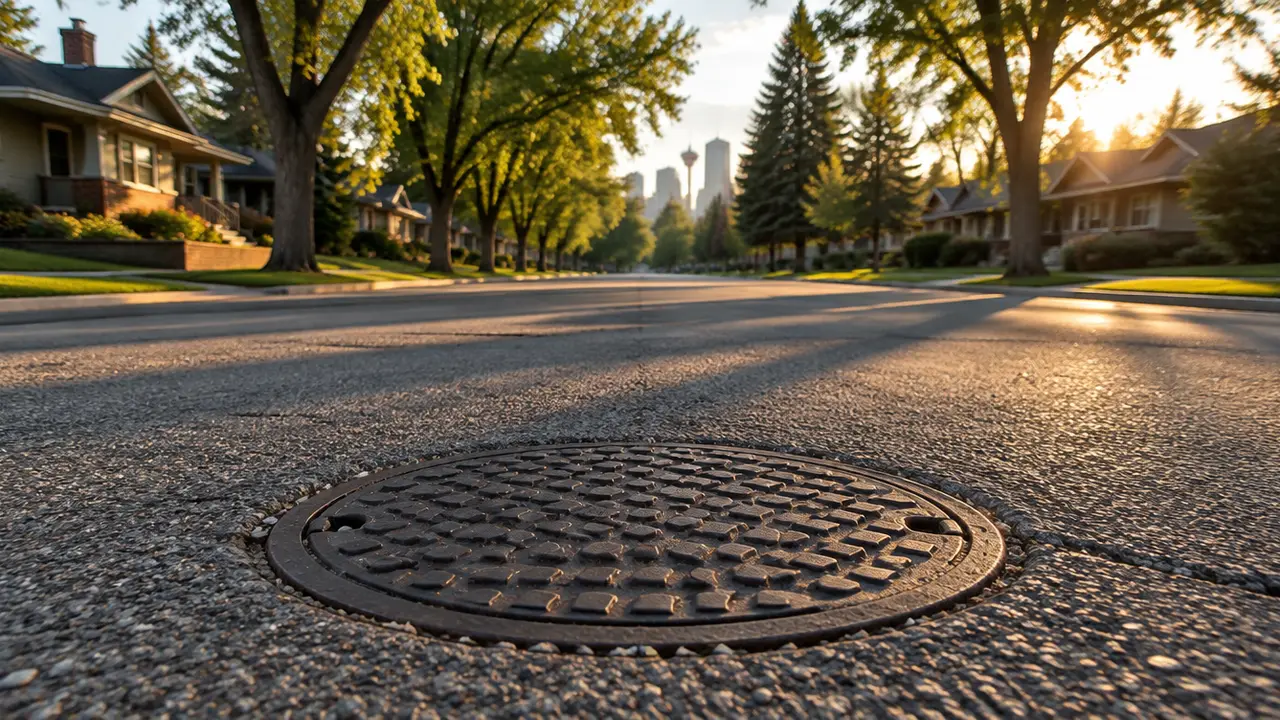
Keep the City Customer Service Report with the incident timeline and any later private-provider findings. Calgary directs residents reporting a sewage backup to 311 for triage; that process helps determine whether a City infrastructure issue may be involved. Preserve the actual assessment rather than shortening it to a remembered statement that “the City cleared the line.” A subsequent contractor needs to know the identified work, location and remaining question, not only that the immediate water level fell.
Ask the later report to explain how its findings relate to the first response. A reopened service, an observed private-side defect and an incomplete inspection are different outcomes. None automatically establishes the condition of every connected branch. If two accounts seem inconsistent, identify their access points, dates and inspected extents before deciding they describe the same location. Send the underlying records with the repair enquiry and let the provider state which additional evidence it needs before recommending a method.
07 /What changes when several units or properties are affected?
Shared drainage introduces access and authorization questions as well as a pipe question. Tell the responder which units reported symptoms and when, without entering contaminated areas or asking occupants to run water for a test. Identify the property manager or responsible contact who can coordinate access and operating instructions. Similar symptoms in several spaces can be useful context, but they do not establish whether the restriction is on a common private drain or public infrastructure.
Keep each incident observation attached to its location and time. If private work is recommended, ask which shared segment is within the proposed scope and who is authorized to approve it. A tenant may be able to provide entry to a unit while the owner or condominium organization controls work on common infrastructure. Separate the immediate response, the pipe investigation and the affected-unit restoration records. This makes later procurement clearer and avoids interpreting one unit’s restored drainage as evidence that every branch has been examined.
08 /How do you turn the finding into a Calgary project request?
Start with the decision you need to make: inspect an unknown route, understand a recorded defect, compare repair methods or plan a new service. Include the location, property use, known access and records available. State the limits of your information. The project builder keeps those answers in this tab and carries an editable outline into the quote form. You review the brief and grant contact permission before submitting. Building the outline does not book a visit, accept a construction contract or establish a price.
Identify the person who can authorize access and the person who can approve changes. Tell the provider about occupants, preferred windows and dependencies on other work. A preliminary scope may need further investigation or a qualified design before installation can be priced. Ask which task resolves each important unknown and what will be delivered at that stage. This keeps an early planning enquiry distinct from an instruction to construct an assumed solution.
09 /Which details should accompany an itemized proposal?
Request the work extent and endpoints, evidence supporting the method, access plan and restoration responsibility. Ask how approvals and inspections will be confirmed for the actual job. Compare the same tasks across providers, including known exclusions and allowances. If route, geometry or a connection is unconfirmed, retain that uncertainty in the proposal. A universal Calgary price cannot account for those differences, and a quote for a short pipe length may omit substantial setup or surface work.
Agree how changed conditions are reported and priced before the crew encounters them. Identify who can approve further work and whether work pauses for that approval. Ask which completion records will show the extent actually repaired or installed, and what remains outside the result. Keep drawings, original footage, accepted scope, changes and handover notes together. A clear property history supports future maintenance and helps another reviewer understand the decisions without treating an old survey as a current certification.
10 /What can HAUSE help with?
HAUSE Sewer supplies general information and receives service requests; it is not a contractor and does not perform sewer work. With your consent, the team can review the request and seek an appropriate provider introduction where available. A qualified provider must assess the property and confirm method, availability and price. Ask HAUSE can help interpret general terminology or organize the next question. It cannot decide legal responsibility, approve a permit, diagnose an unseen pipe or reserve construction from a chat message.
Use the separate follow-up form when you want your project details reviewed. Check the location, contact details and outline before sending. Keep private transaction documents, tenant records and sensitive account information out of general chat. Save the submission result and any later provider scope. If an immediate hazard is present, contact appropriate emergency or local assistance instead of waiting for the request queue. A generated brief is a planning aid; successful submission and provider confirmation are later, separate steps.
FAQQuestions people ask
What should I keep after a City sewage-backup assessment?
Retain the Customer Service Report and the location or limitations recorded during assessment. Give those records to the later private provider so its proposed investigation responds to the existing findings.
Does HAUSE repair Calgary sewer lines?
HAUSE is an information and service-request network, not a contractor. A qualified provider must assess the property and confirm any work, method, availability and price.
Can I request a residential or commercial quote?
Yes. Identify the actual property use and project goal in the builder or quote form, review the outline and give contact permission. The team reviews requests for possible provider introduction where available.
Is a sewer scope part of every home inspection?
Do not assume it is. Ask the inspector what underground camera work is included, which access is needed and what recording and written findings will be delivered.
Does an older home automatically need replacement?
No. Building age helps gather records but does not establish the current pipe condition. Repairs and altered routes can change the system. Base the next decision on actual findings and limitations.
What if the inspection stops before the endpoint?
Keep the unseen section recorded as unknown. Ask why travel stopped and which practical assessment could improve coverage. Do not assume the unviewed pipe is sound or defective.
NETWORKGo deeper across the HAUSE Sewer network
CCTV sewer inspection: crawlers, lateral launch cameras and coded surveys
What CCTV sewer inspection is: crawler cameras, lateral launch and zoom cameras, PACP-coded municipal surveys, and what city camera work means for your lateral.
SewerQuotes.comEmergency and after-hours sewer service pricing
Emergency sewer service pricing in Canada (2026): after-hours call-out fees and surcharges in CAD, what to authorise at 2 a.m., and what can wait.
SewerCleaners.caSewer backup: what to do in the first hour
What to do in the first hour of a sewer backup: electrical safety, stopping water use, calling a sewer cleaner, insurance photos, health and cleanup.