A useful Calgary sewer line inspection identifies its access point, surveyed extent, observations and limitations. Ask for the recording and written findings needed for your decision. A camera visit can support buying, maintenance or repair planning, but it cannot establish the condition of sections that were not seen.
- Tell the inspector whether the decision concerns buying, maintenance or repair.
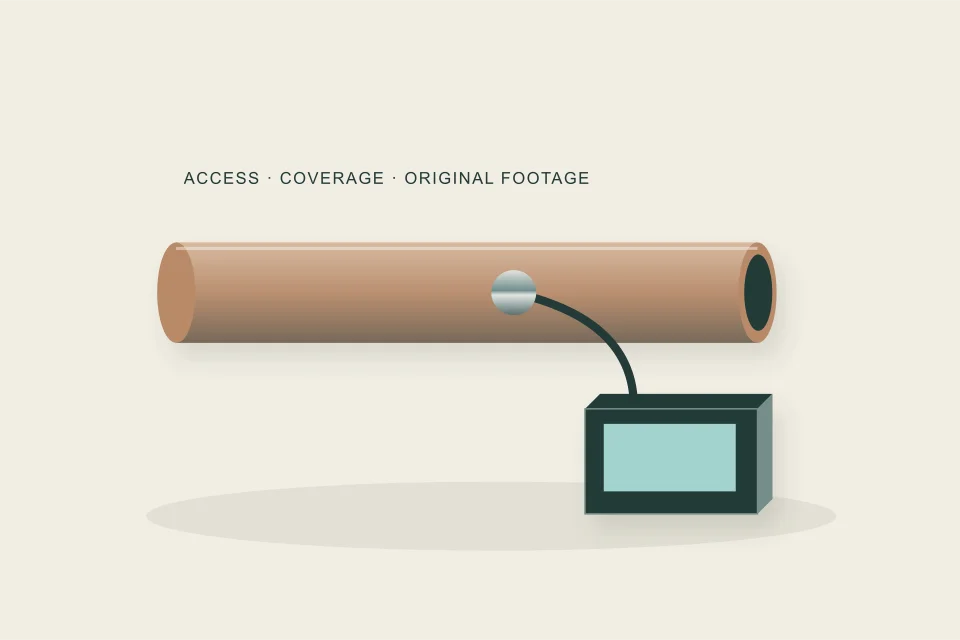
- Record access, travel direction, surveyed extent and reached endpoint.
- Ask for original footage and written observations with their limitations.
- Tie any proposed repair location to the inspection and qualified locating work.
01 /Which decision should the inspection support?
Tell the provider whether you are buying a house, investigating a repeat blockage, planning an addition or reviewing a proposed repair. Each purpose can change the needed coverage and reporting. Identify whether you need a condition record of a defined lateral or only an initial diagnostic look. The home inspection report may cover other systems without examining this underground run. Ask explicitly what is included so a brief camera glance does not become the only evidence for a larger property decision.
02 /What should the access and route record show?
Ask where the camera entered, which direction it travelled and what endpoint was intended. A cleanout, access through a stack or another entry can produce different coverage. The provider must assess suitable access. Mention renovations that may have hidden fittings and whether earlier footage exists. Do not open a cover or remove a cap to improve an enquiry. Photos of visible, safely accessible fittings can help prepare the visit without exposing the homeowner to a pressurized or contaminated line.
03 /How should observations be described?
Separate the visible finding from the interpretation. A report should connect significant observations to a distance reference and the line being surveyed, then identify limits such as standing water or interrupted travel. Ask whether the provider supplies original video, selected stills, a written summary and locating. These deliverables are not interchangeable. If a recommendation follows, it should explain how the finding supports that action and whether further evidence is needed before choosing a construction method.
04 /What if the camera cannot complete the run?
Retain the incomplete section as an unresolved question. Ask why travel stopped and which practical step could improve the view. Suitable cleaning, different access or another investigation may be proposed, subject to the actual site. Do not assume everything beyond the stopping point is sound or defective. The report has value when it clearly states the extent examined and what remains unknown. A repair proposal based on partial coverage should make that limitation visible.
05 /What should you keep after the appointment?
Save the original recording and written report with the date, property reference and entry-point notes. Download files before a temporary sharing link expires. Keep the authorization for additional work and any follow-up recommendation alongside the inspection. If another provider reviews the finding, send the complete record rather than a cropped screenshot. A clear evidence package makes scope comparison possible and helps prevent a future homeowner or manager from treating an old inspection as a current certification of the entire sewer.
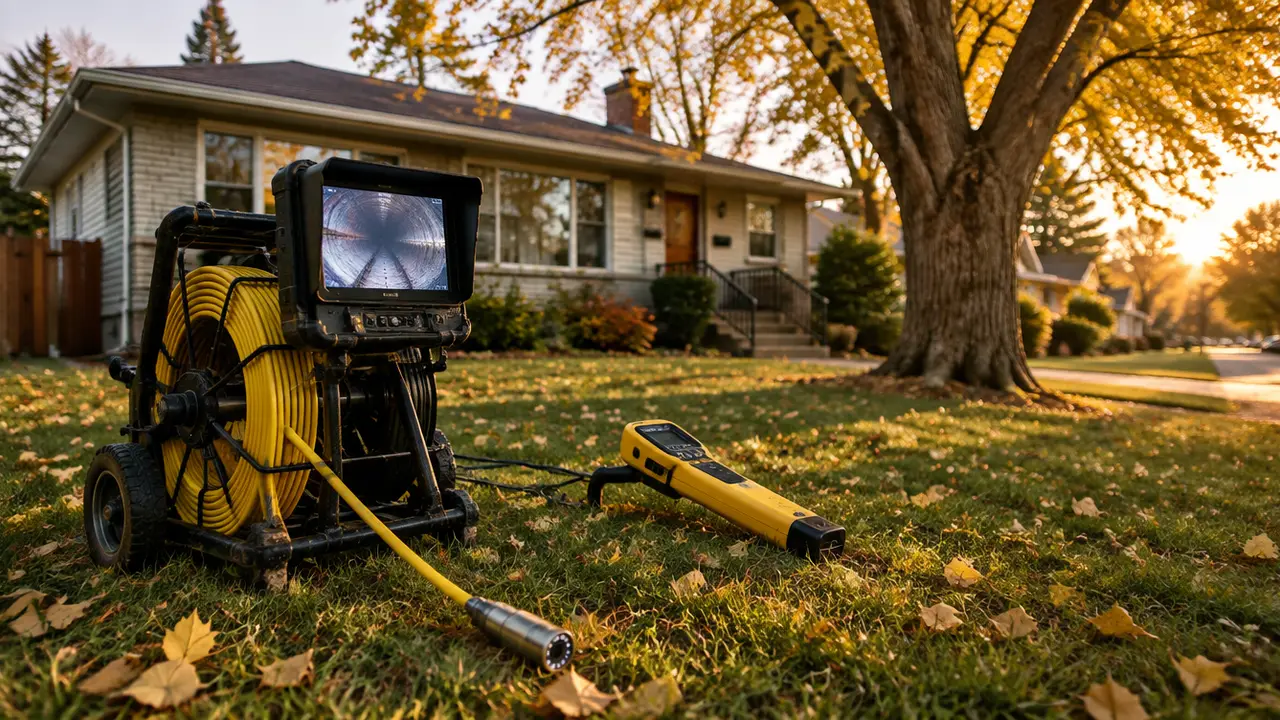
06 /What does a camera observation establish, and what does it leave open?
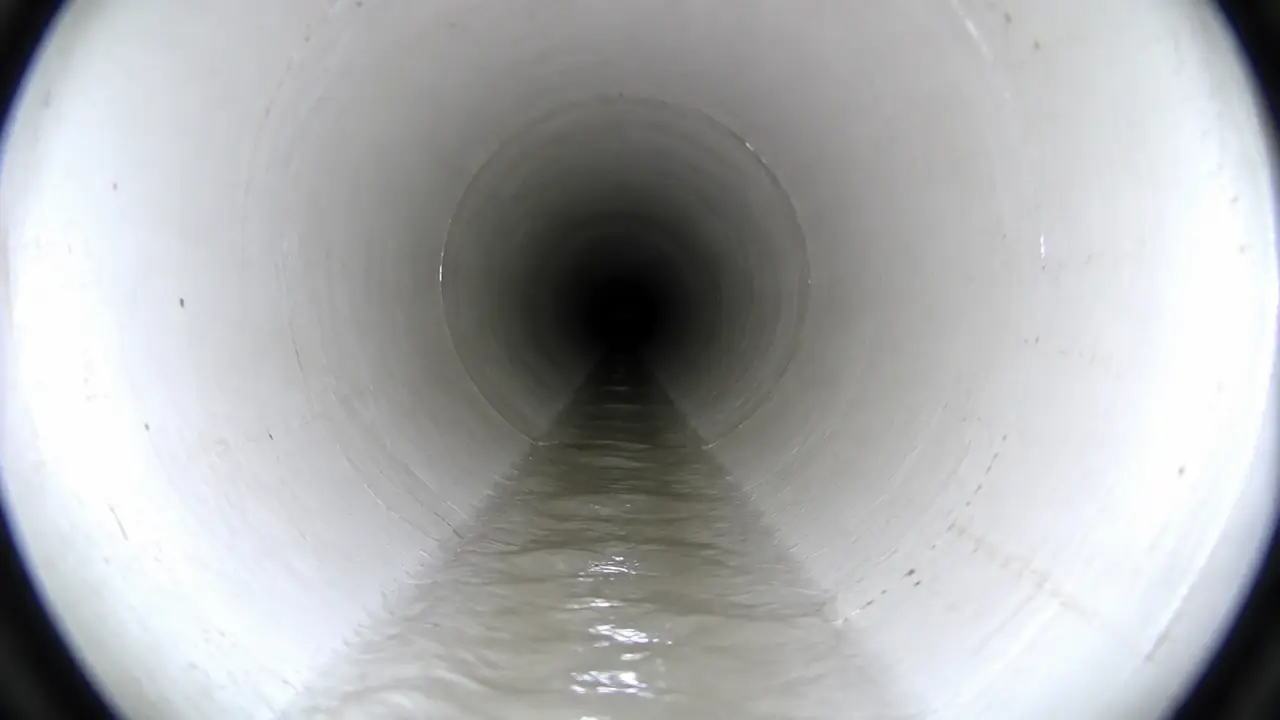
A sewer camera records visible conditions along the route it reaches under the conditions of the visit. It can show deposits, visible joints and certain defects, but a recording is not a comprehensive test of every pipe property. Ask the report to separate direct observations from interpretations and recommended investigations. A visible opening may need further assessment; a clean wall does not by itself establish watertightness, remaining service life or capacity for a proposed change of use.
Standing water, deposits, bends and inaccessible branches can limit coverage. The report should state those limits and identify any intended endpoint that was not reached. Do not infer that an unrecorded branch is sound because the camera passed its junction. If a particular decision depends on slope, a buried location or a suspected connection, ask whether the planned inspection can answer it and which additional method may be needed. This makes the inspection useful without overstating what the images prove.
07 /How do you connect the footage to a repair location?
Ask for an identifiable camera entry point, direction of travel and distance-counter reference. Keep visible landmarks such as junctions or material changes in the report. If surface locating is included, ask how the provider records the location and any depth estimate, and what limitations apply. A footage counter measures travel through the pipe; it should not be treated as a straight-line excavation coordinate. A route sketch can connect the records while showing unverified sections explicitly.
Before accepting a localized repair quote, have the proposed work tied back to the actual observation. The description should identify the affected segment and explain whether further locating or exposure is needed before its extent can be confirmed. Retain the continuous footage so another provider can review the context around a selected image. When comparing inspections, distinguish a camera-only visit from one including locating, a written report or follow-up assessment. Their prices answer different scopes even when each is described as a sewer inspection.
08 /How do you turn the finding into a Calgary project request?
Start with the decision you need to make: inspect an unknown route, understand a recorded defect, compare repair methods or plan a new service. Include the location, property use, known access and records available. State the limits of your information. The project builder keeps those answers in this tab and carries an editable outline into the quote form. You review the brief and grant contact permission before submitting. Building the outline does not book a visit, accept a construction contract or establish a price.
Identify the person who can authorize access and the person who can approve changes. Tell the provider about occupants, preferred windows and dependencies on other work. A preliminary scope may need further investigation or a qualified design before installation can be priced. Ask which task resolves each important unknown and what will be delivered at that stage. This keeps an early planning enquiry distinct from an instruction to construct an assumed solution.
09 /Which details should accompany an itemized proposal?
Request the work extent and endpoints, evidence supporting the method, access plan and restoration responsibility. Ask how approvals and inspections will be confirmed for the actual job. Compare the same tasks across providers, including known exclusions and allowances. If route, geometry or a connection is unconfirmed, retain that uncertainty in the proposal. A universal Calgary price cannot account for those differences, and a quote for a short pipe length may omit substantial setup or surface work.
Agree how changed conditions are reported and priced before the crew encounters them. Identify who can approve further work and whether work pauses for that approval. Ask which completion records will show the extent actually repaired or installed, and what remains outside the result. Keep drawings, original footage, accepted scope, changes and handover notes together. A clear property history supports future maintenance and helps another reviewer understand the decisions without treating an old survey as a current certification.
10 /What can HAUSE help with?
HAUSE Sewer supplies general information and receives service requests; it is not a contractor and does not perform sewer work. With your consent, the team can review the request and seek an appropriate provider introduction where available. A qualified provider must assess the property and confirm method, availability and price. Ask HAUSE can help interpret general terminology or organize the next question. It cannot decide legal responsibility, approve a permit, diagnose an unseen pipe or reserve construction from a chat message.
Use the separate follow-up form when you want your project details reviewed. Check the location, contact details and outline before sending. Keep private transaction documents, tenant records and sensitive account information out of general chat. Save the submission result and any later provider scope. If an immediate hazard is present, contact appropriate emergency or local assistance instead of waiting for the request queue. A generated brief is a planning aid; successful submission and provider confirmation are later, separate steps.
FAQQuestions people ask
Does a distance shown on the camera video establish an excavation location?
A camera distance and observed defect help describe the surveyed run. Ask the provider how it will relate them to the actual route and location before construction; the footage alone is not an excavation plan.
Does HAUSE repair Calgary sewer lines?
HAUSE is an information and service-request network, not a contractor. A qualified provider must assess the property and confirm any work, method, availability and price.
Can I request a residential or commercial quote?
Yes. Identify the actual property use and project goal in the builder or quote form, review the outline and give contact permission. The team reviews requests for possible provider introduction where available.
Is a sewer scope part of every home inspection?
Do not assume it is. Ask the inspector what underground camera work is included, which access is needed and what recording and written findings will be delivered.
Does an older home automatically need replacement?
No. Building age helps gather records but does not establish the current pipe condition. Repairs and altered routes can change the system. Base the next decision on actual findings and limitations.
What if the inspection stops before the endpoint?
Keep the unseen section recorded as unknown. Ask why travel stopped and which practical assessment could improve coverage. Do not assume the unviewed pipe is sound or defective.
NETWORKGo deeper across the HAUSE Sewer network
Should you scope the sewer before buying a house?
When a sewer scope before buying a house is worth it, which homes need one most, how to fit it inside a condition period, and what to do with the result.
SewerCleaners.caSewer Maintenance Planner
Sewer Maintenance Planner: a suggested cleaning and camera inspection interval plus a 12-month checklist based on your house, pipes, trees and history.
SewerQuotes.comEmergency and after-hours sewer service pricing
Emergency sewer service pricing in Canada (2026): after-hours call-out fees and surcharges in CAD, what to authorise at 2 a.m., and what can wait.